
Letter from Japan #7
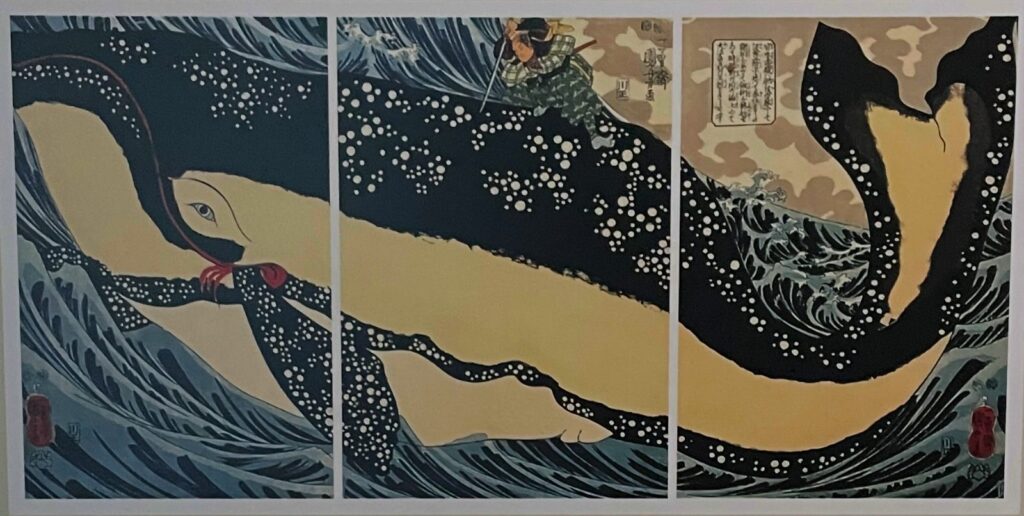
Have you ever seen 浮世絵 (うきよえ, ukiyo-e)?
Ukiyo-e is a type of Japanese art that became popular during the 江戸時代 (えどじだい, Edo period), from the 17th to the 19th century.
Some of the most famous ukiyo-e artists are 葛飾北斎 (かつしか ほくさい, Hokusai) and 歌川広重 (うたがわ ひろしげ, Hiroshige).
You may already know Hokusai’s famous picture of a huge wave, The Great Wave off Kanagawa.
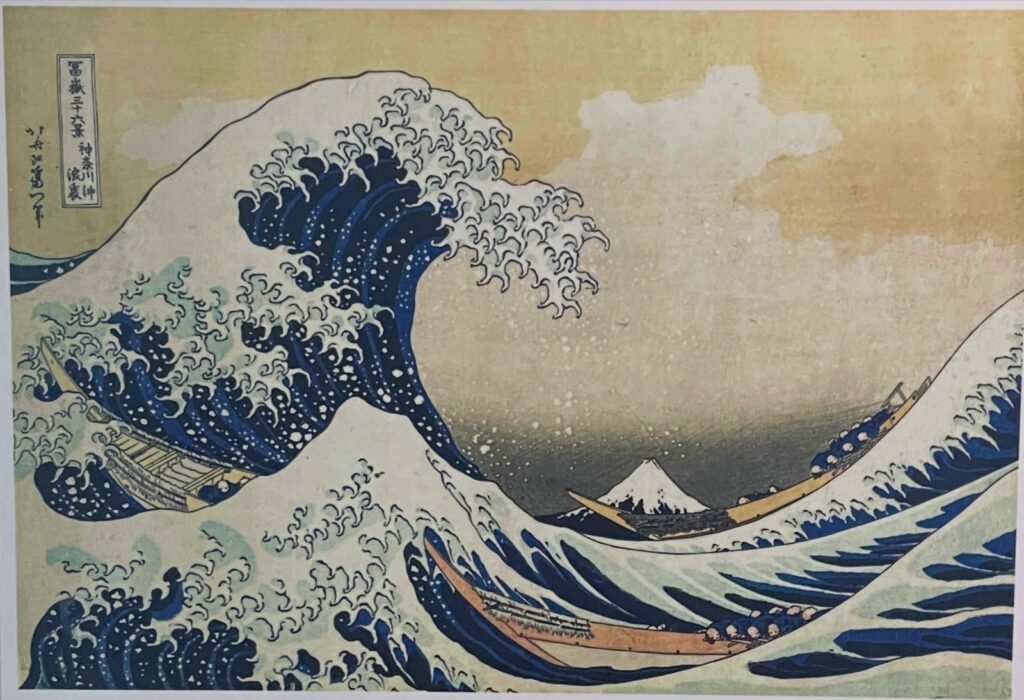
But what does ukiyo-e actually mean?
浮世 (うきよ, ukiyo) means “the floating world”, and 絵 (え, e) means “picture” or “painting”.
The “floating world” was the lively world of entertainment in cities such as Edo, the old name for Tokyo. It included things like theatre, beautiful clothes, food and everyday life.
So うきよえ means something like “pictures of the floating world”.
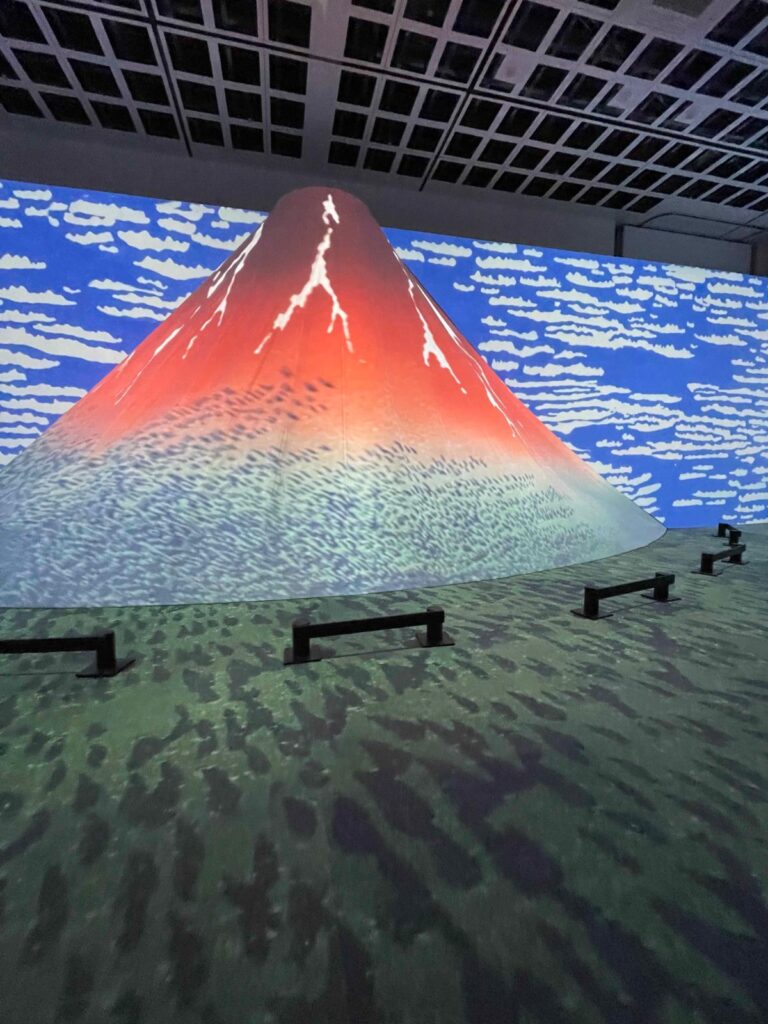
Look at some ukiyo-e pictures below.
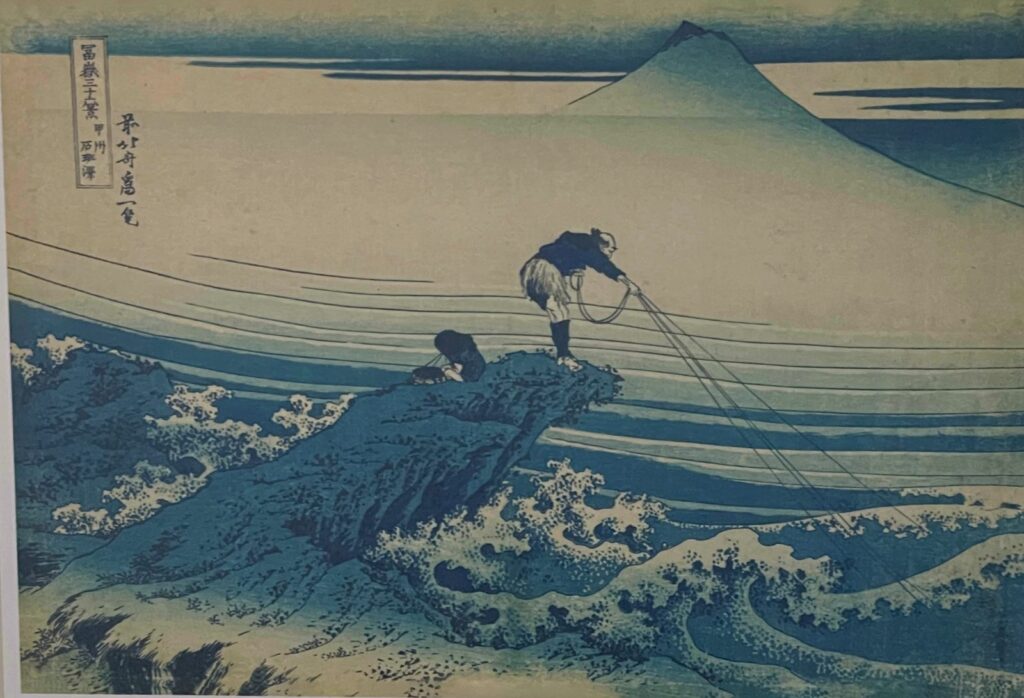
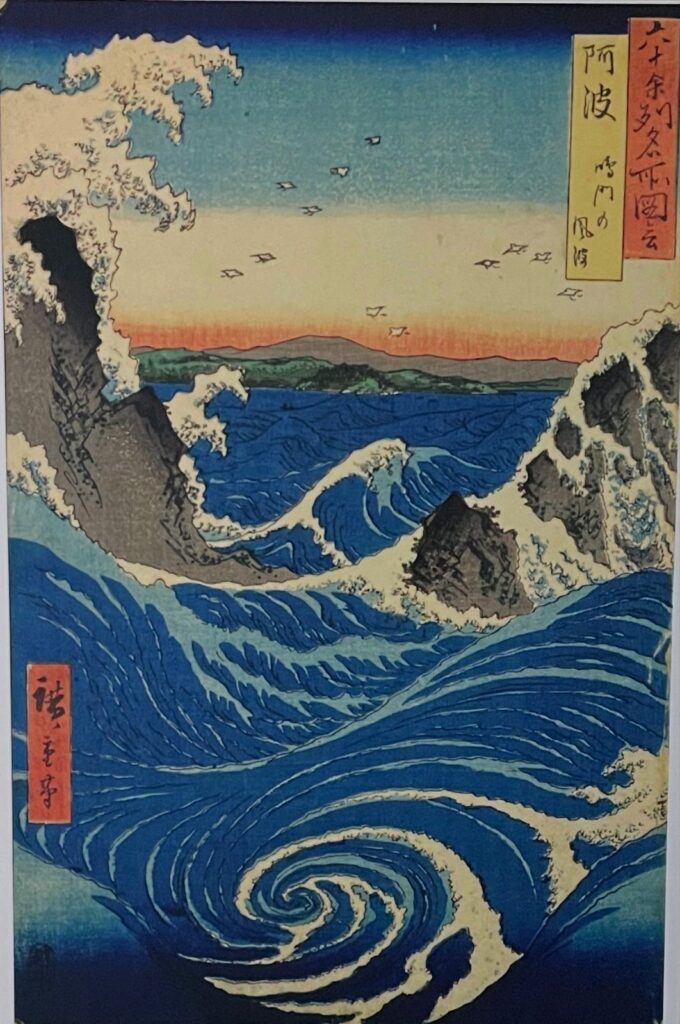
Can you imagine what would happen if the pictures started to move?
Would the waves move?
What about the colours?
What kind of sounds would you hear?
And then I got to see ukiyo-e come to life!
To be continued…
Get the next letter
A free letter from Japan with photos, stories and a few Japanese words to discover.